The Greatest Investment: An Islamic Perspective on Giving to the Orphan and the Widow
Every wealthy believer eventually asks the same question: where does my wealth actually go the furthest? Property depreciates. Markets correct. Currencies inflate. But there is one form of investment the Qur'an describes in the language of multiplication, not depreciation — and it is sadaqah given for the sake of Allah.
Wealth Is a Trust, Not a Possession
In the Islamic worldview, wealth was never truly ours. It is an amanah — a trust placed in our hands, to be tested by how we spend it. The believer who understands this stops asking "how much will I lose by giving?" and starts asking "how much will I lose by not giving?"
The Qur'an's Own Financial Model
In Surah Al-Baqarah (2:261), Allah describes charity spent in His cause like a single grain that grows seven ears, each bearing a hundred grains — multiplied further for whoever He wills.
No bank, no fund, no asset class on earth offers that kind of return. It is, quite literally, the best-performing investment available to a human being — the only difference is that the dividend is paid in the Hereafter, where it matters most.
The Wealth That Never Stops Paying
The Prophet صلى الله عليه وسلم taught that when a person dies, their deeds come to an end except for three: ongoing charity (sadaqah jariyah), knowledge that continues to benefit others, and a righteous child who prays for them (Sahih Muslim).
A stipend to a widow ends when it's spent. But funding a child's education, or building a health program that serves a community for years, is sadaqah jariyah — reward that keeps arriving in your book of deeds long after the transaction is forgotten by everyone but Allah.
The Orphan Holds a Special Place
Few acts in the Sunnah carry a promise as vivid as this one:
The Prophet صلى الله عليه وسلم said that he and the one who sponsors an orphan will be in Paradise like this — and he held his two fingers together (Sahih al-Bukhari).
Closeness to the Prophet صلى الله عليه وسلم in the Hereafter, offered in exchange for standing in the gap for a child who has no father. Surah Ad-Duha (93:9) commands the believer directly: do not oppress the orphan. Sponsorship is the positive fulfillment of that command — not merely avoiding harm, but actively building up what loss tore down.
The Widow Carries a Promise of Her Own
The one who strives on behalf of the widow and the poor, the Prophet صلى الله عليه وسلم said, is like the one who strives in the path of Allah, or like one who fasts by day and prays by night without rest (Sahih al-Bukhari, Sahih Muslim). This is not a minor charitable category — it is placed alongside jihad and the most demanding acts of worship.
Given Quietly, Received Fully
Among the seven whom Allah will shade on a Day when there is no shade but His, is a person who gives charity so secretly that their left hand does not know what their right hand has given (Sahih al-Bukhari, Sahih Muslim). Sponsorship doesn't require public recognition to count — it requires sincerity. Whether a donor's name appears anywhere or nowhere, the reward is recorded exactly the same.
The Bottom Line for the Believer With Means
A wealthy person can build a portfolio that grows for a lifetime and ends the day they die — or they can build one that starts growing the day they give, and keeps growing for as long as the orphan they raised, the widow they supported, or the student they educated continues to carry that investment forward.
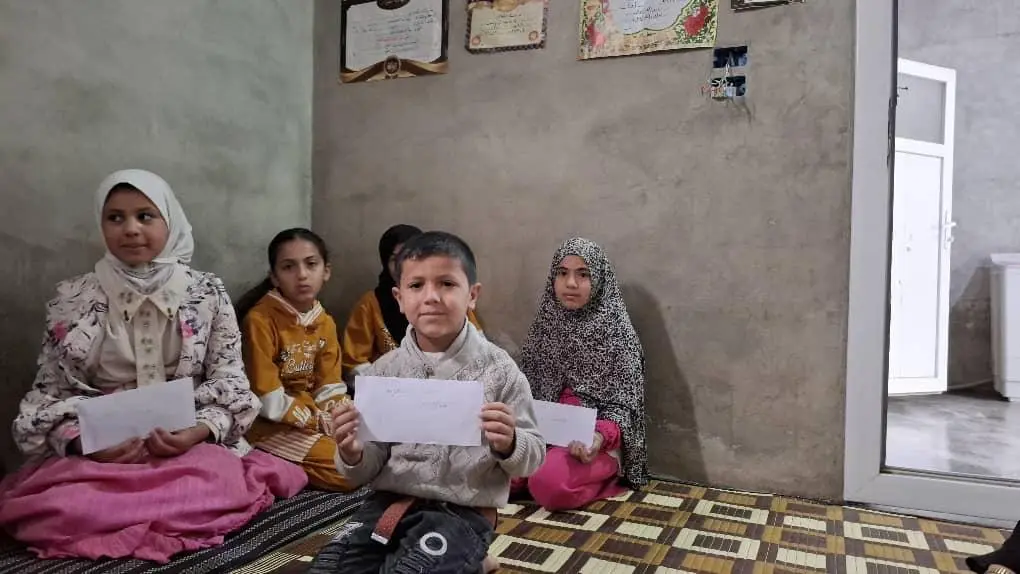
Noor Impact Foundation exists to be the vehicle for that second portfolio: sadaqah that reaches Aleppo and Idlib, Paktia and Paktika, Dir and Wadh, and turns into stipends, tuition, and healthcare for families who lost everything but their faith.